Nobuaroha: A Bold Font for Branding
It was a late afternoon when I sat down to finalize the visuals for a product launch campaign. The client wanted something eye-catching, something that would stand out in a crowded digital space. As I scrolled through my design assets, I landed on Nobuaroha—a bold and authentic display font that immediately caught my attention. Its strong presence made it perfect for the project at hand.
What Makes Nobuaroha Stand Out
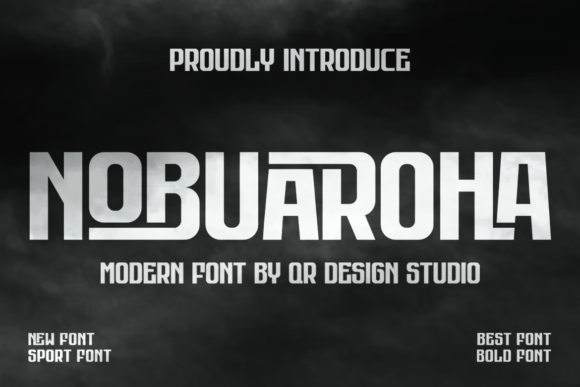
Nobuaroha is a sans serif typeface with a distinct personality. It carries a modern edge while maintaining an authentic feel, making it ideal for branding projects that require a strong visual identity. The font's bold strokes and clean lines give it a confident, dynamic look that works well in both digital and print formats. Whether used for logos, headlines, or promotional graphics, Nobuaroha adds a sense of energy and clarity to any design.
Its visual style is versatile enough to fit into a variety of creative contexts. From sport-related campaigns to high-end brand identities, Nobuaroha adapts without losing its unique character. The font’s structure ensures that it remains legible even at smaller sizes, which is crucial for mobile previews and social media thumbnails.
Using Nobuaroha in Real Campaigns
During the product launch, I used Nobuaroha for the main headline on the promotional graphic. The font’s weight and contrast made it stand out against the background, drawing immediate attention. It worked particularly well in a YouTube thumbnail where the text needed to be readable at a glance. The font’s sharp edges and clear shapes ensured that the message was clear, even when viewed on a small screen.
I also tested it on Instagram posts and Pinterest pins. In these cases, the font’s boldness helped create a strong visual hierarchy, making the key message pop against the image background. For a content series promoting a new online course, Nobuaroha was used as a title font, adding a professional yet approachable tone to the visuals.
Best Uses for Nobuaroha
Nobuaroha excels in short headlines, callouts, and logo-style text. It’s especially effective for campaign labels, decorative titles, and display text where impact is more important than readability over long passages. This makes it a great choice for web banners, email headers, and landing page titles.
However, it’s not the best option for long-form content or dense information. When designing a webinar banner, I opted for a simpler font for the body text, reserving Nobuaroha for the main headline. The font’s strength lies in its ability to make a statement, not in sustaining prolonged reading.
Readability Tips for Different Formats
When using Nobuaroha on mobile screens, I made sure to keep the text size large enough to remain legible. On thumbnails, I avoided placing it over busy backgrounds, instead opting for solid color overlays to ensure clarity. For dark backgrounds, the font’s contrast provided good visibility, while on light backgrounds, it maintained a clean and professional look.
In fast-scrolling feeds, such as Instagram or Pinterest, the font’s boldness helped it stand out without being overwhelming. I found that pairing it with a lighter sans serif font for supporting text created a balanced and visually appealing layout.
Font Pairing and Design Considerations
For a more refined look, I paired Nobuaroha with a clean sans serif font like Montserrat or Open Sans. This combination allowed the bold display font to shine while keeping the overall design cohesive. In some cases, I used it alongside a script font for a more artistic touch, but only in limited areas to maintain clarity.
Before finalizing the design, I checked the font’s alternates, ligatures, and weights to ensure it met the project’s needs. The included OTF and TTF files made it easy to integrate into different design platforms, and the multilingual support was a bonus for international campaigns.
Commercial licensing was also a consideration. Since the project involved client work, I made sure the font license covered all necessary uses, including digital ads, templates, and merchandise. This helped avoid any legal issues down the line.